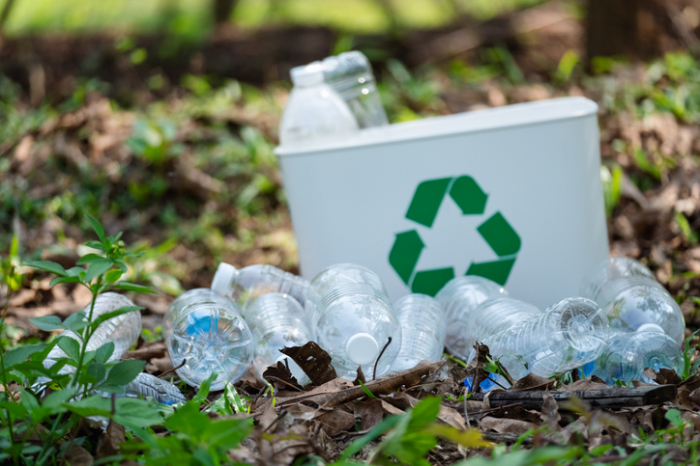
High-density polyethylene (HDPE) is one of the most commonly used plastics, found in products like milk jugs, detergent bottles, piping, and packaging materials. Its durability, chemical resistance, and lightweight nature make it a versatile material for industrial and consumer applications. However, improper disposal of HDPE Recycling contributes to environmental pollution, making recycling an essential process. HDPE recycling supports green manufacturing by converting used plastic into valuable materials while reducing environmental impact.
Understanding HDPE
HDPE is a thermoplastic polymer that can be melted and reshaped multiple times without losing its structural integrity. Its resilience and chemical stability make it ideal for both packaging and industrial use. Despite its advantages, HDPE can take decades to decompose in landfills, posing a significant environmental challenge. Recycling HDPE helps conserve natural resources, reduce energy consumption, and decrease greenhouse gas emissions associated with the production of virgin plastic.
Collection and Sorting
The first step in HDPE recycling involves collecting and sorting the plastic materials. Proper sorting ensures that only compatible HDPE products are processed, preventing contamination from other plastics or non-recyclable materials. Recycling centers use a combination of manual sorting and automated technologies, including near-infrared (NIR) scanners, to identify and separate HDPE from mixed waste streams.
Cleaning the collected HDPE is a critical step. Residues such as labels, adhesives, food, and other contaminants are removed to ensure the recycled material meets quality standards. This preparation helps maintain the integrity of the polymer and allows for higher-quality recycled products.
Mechanical Recycling of HDPE
Mechanical recycling is the most common method for processing HDPE. Once collected and cleaned, HDPE is shredded into flakes or granules. These flakes are then melted and re-extruded into new products, such as piping, plastic lumber, containers, and industrial packaging.
Mechanical recycling is cost-effective and widely used, enabling large volumes of HDPE to be processed efficiently. Blending recycled HDPE with virgin material can enhance strength and durability, ensuring that the end products meet performance requirements for various applications.
Chemical Recycling
Chemical recycling of HDPE is an emerging approach that breaks down the plastic into its chemical building blocks. Processes such as pyrolysis, depolymerization, and catalytic conversion can transform HDPE into monomers, fuels, or feedstock for manufacturing new plastic products.
This method offers advantages over mechanical recycling by handling contaminated or mixed plastics that may not be suitable for conventional processing. Chemical recycling produces high-quality materials comparable to virgin plastic, supporting sustainable manufacturing practices. While still more energy-intensive and costly than mechanical recycling, advancements in technology are making chemical recycling increasingly viable.
Energy Recovery
When HDPE cannot be recycled into new products, it can be used for energy recovery. Controlled combustion or gasification converts HDPE waste into heat, electricity, or fuel. Energy recovery helps reduce the volume of plastic waste in landfills and provides a renewable energy source, complementing other recycling methods.
Benefits of HDPE Recycling
Recycling HDPE offers numerous environmental and economic benefits. It reduces plastic waste in landfills and natural habitats, conserves petroleum and other raw materials used to produce virgin plastic, and lowers greenhouse gas emissions. Recycled HDPE provides cost-effective raw material for green manufacturing, enabling industries to produce sustainable products while maintaining high quality and performance standards.
Future of HDPE Recycling
The future of HDPE recycling is shaped by innovation and sustainability initiatives. Improved sorting technologies, chemical recycling methods, and eco-friendly product designs are enhancing recycling efficiency. Government regulations, consumer awareness, and corporate responsibility programs further promote the adoption of HDPE recycling practices.
Conclusion
HDPE recycling plays a vital role in supporting green manufacturing by transforming used plastic into valuable and sustainable materials. Through mechanical and chemical recycling, as well as energy recovery, HDPE waste is repurposed into new products, reducing environmental impact and conserving natural resources. Continued innovation and responsible recycling practices ensure that HDPE remains a key component in building a more sustainable and eco-conscious future.