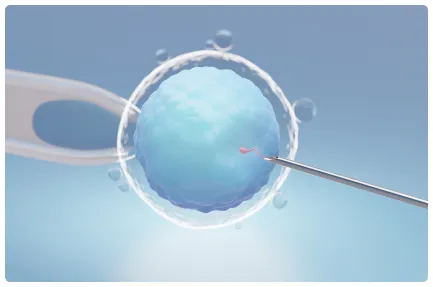
Conventional fertility approaches unduly emphasise the discussion around women. They frequently overlook male factors. But statistical data shows that male factor infertility contributes to nearly half of all fertility struggles. This insight highlights the importance of a comprehensive fertility assessment for both partners. Intracytoplasmic Sperm Injection (ICSI) is a reliable option for male fertility diagnosis and treatment that many Pune couples are using.
ICSI explained simply
ICSI treatment is a specialised assisted reproduction technique. One healthy sperm is carefully injected directly into a mature egg. The embryo thus formed in the controlled laboratory setting is implanted in the uterus. In IVF, this fertilisation occurs naturally in a dish. But ICSI overcomes the natural barriers to fertilisation posed by low sperm count or poor motility.
Male factors matter
Male fertility issues deserve equal attention. Low sperm count, limited movement, abnormal shape, or absence of sperm affect conception. The social and cultural stigma prevents an open discussion and an early diagnosis. Most of these issues are treatable through medical intervention and techniques like ICSI.
When ICSI helps
ICSI is beneficial for couples facing male fertility challenges. Conditions such as anejaculation, obstructions in the reproductive tract, low sperm counts or retrograde ejaculation call for its use. The method is also useful for couples with repeated IVF failures or failed frozen sperm techniques.
The treatment process
Stages in the ICSI journey begin with hormonal stimulation over eight to fourteen days, which helps the ovaries to produce multiple eggs. After maturation, the eggs are retrieved using transvaginal ultrasound guidance. The sperm is collected surgically and analysed. Embryologists select the best-quality sperm and inject them individually into each egg for fertilisation.
Success you can trust
Studies indicate that fertilisation occurs in approximately fifty to eighty per cent of ICSI cycles. The results depend on factors such as maternal age, egg quality, and overall health. But the high success rates reflect better fertilisation rates than standard IVF in cases involving male infertility. These statistics offer real hope to couples facing repeated disappointment.
Comprehensive male assessment
Proper diagnosis through advanced male fertility evaluations forms the foundation of effective treatment. Semen analysis to assess sperm concentration, movement, and shape, along with DNA fragmentation testing to assess embryo development, is important. Tests for azoospermia allow sperm retrieval directly from reproductive tissues. Fertility specialists can then personalise treatment strategies and improve success rates.
Expert care matters
Choosing the best IVF centre in Kharadi is not just about the location. It means finding a facility that combines the proven expertise of embryologists with advanced laboratory capabilities. The precision of ICSI demands skilled lab technicians, as precision directly influences outcomes. Use of modern equipment and adherence to global best practices offer the highest chances of success. Select a place with all facilities under one roof to minimise stress.
Conclusion
Every problem, including male infertility, has its solutions. ICSI is a science-backed solution that offers hope to countless couples. The key is to tackle infertility as a team, with shared responsibility. Both partners need to be actively involved in diagnosis and treatment. Continuous research and advancements are providing newer, cost-effective solutions. So, your path to parenthood is very much within reach.