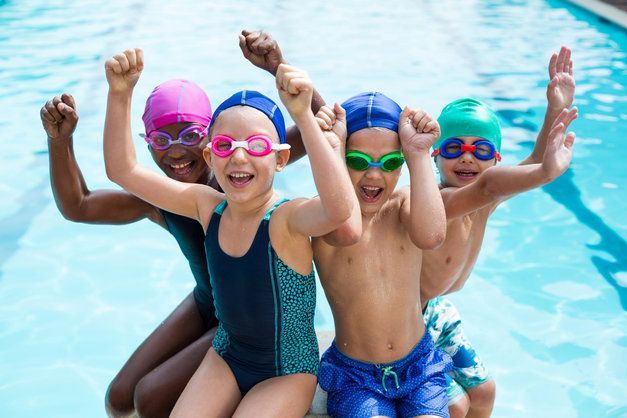
Public swimming pools have long been the backbone of learn-to-swim provision in the UK. They provide a safe, accessible, and affordable environment where children and adults can learn an essential life skill. Yet over the past few years, more and more local authorities have announced pool closures. The reasons vary from rising energy costs to staffing shortages and budget cuts. The impact on families, schools, and communities is already being felt. As someone who has written about swimming for many years, I find this trend worrying. I also see it as a call to action for parents who want their children to learn to swim in a safe and structured way. For those who have been searching online for swimming lessons near me, this issue is likely already personal. The choices are narrowing, but high quality schools still exist, and I recommend considering swimming lessons in Leeds if you are local to the area.
Why Public Pool Closures Matter
Swimming is not simply another recreational activity. It is one of the only sports that can genuinely save lives. The Royal Life Saving Society UK has long campaigned to keep swimming at the heart of school sport because drowning remains one of the leading causes of accidental death among children. When public pools close, access to lessons becomes harder. Families who rely on local pools are forced to travel further, pay more, or give up altogether.
Closures also limit school swimming programmes. Many schools do not have on-site pools and depend entirely on community facilities. When those pools shut, schools are often left without alternatives. That means a whole generation of children risks missing out on early swimming education.
From a community perspective, swimming pools provide more than just lessons. They are social hubs, places where people of all ages exercise, meet, and build confidence. Losing them affects health, wellbeing, and even local economies.
The Numbers Behind the Closures
To understand the scale of the problem, we need to look at the data. According to Swim England, hundreds of pools have closed in the last decade. The pace has accelerated since the pandemic, with high energy bills making it unsustainable for councils to keep facilities open. Small towns and rural areas are hit hardest. Families there often lack private alternatives, so once the local pool goes, swimming lessons effectively vanish.
At the same time, waiting lists for surviving pools grow longer. Parents have to put their children’s names down months in advance. In some areas, demand outstrips supply by such a margin that children miss the crucial early years when they learn fastest.
The Impact on Children
For children, the consequences are stark. Swimming is a developmental milestone as much as a safety skill. When children start lessons young, they learn coordination, balance, and water confidence. They also gain social benefits from being part of a class.
Without access to lessons, some children do not learn to swim at all. Others pick it up later, but the delay can lead to fear of water or slower progress. A lack of swimming skills can also limit opportunities in later life. Sports such as sailing, kayaking, and even triathlon rely on basic swimming ability. For many children, losing access to lessons now may close doors for years to come.
The Impact on Adults
Adults are affected too. While children’s lessons often take the headlines, adult learners are a significant part of the picture. Many adults never had the chance to learn as children, and public pools have traditionally provided affordable classes. With fewer pools, these learners face extra barriers.
Confidence is already a challenge for adults who cannot swim. Add long travel distances or higher costs, and many give up. The result is an increasing number of adults in the UK who lack water safety skills. This has wider public safety implications, particularly around rivers, canals, and open water swimming, which has grown in popularity.
The Strain on Private Swim Schools
As public pools close, private swim schools are picking up the demand. Many of these schools deliver lessons in gyms, schools with their own facilities, or privately operated pools. They often provide high quality instruction, smaller groups, and a more structured approach.
However, the sudden influx of learners stretches their capacity. Booking a place can be competitive. Instructors face pressure to keep group sizes manageable while still meeting demand. The positive side is that families who secure places often enjoy a better quality of teaching. Private schools can offer consistent lessons without the uncertainty of local council budgets.
For parents searching for reliable swimming lessons, private schools are fast becoming the main option. This shift changes the landscape of learn-to-swim provision in the UK.
Cost and Accessibility
One of the most immediate effects of pool closures is cost. Public pools have historically kept prices low, often subsidised by councils. Private provision, while often higher quality, usually costs more. For some families, this is affordable. For others, it is out of reach.
Accessibility also becomes an issue. Public pools are usually located in central areas with good transport links. Private pools may be more scattered, sometimes in schools or leisure centres on the edge of towns. For families without cars, this can make regular attendance difficult.
The result is inequality. Some children will continue to thrive in well-run swimming schools. Others may miss out entirely.
The Role of Schools
Schools remain a critical part of the picture. The national curriculum in England requires that children are able to swim 25 metres by the end of primary school. But when local pools close, schools cannot deliver this requirement.
Some schools find alternatives by working with private providers. Others simply reduce the number of lessons or cut swimming altogether. The latter option is concerning. Without structured swimming in the school day, many children from disadvantaged backgrounds lose their only chance to learn.
Teachers often highlight the logistical and financial challenges of arranging transport to distant pools. These hidden costs further reduce the likelihood of schools keeping swimming on the timetable.
What Parents Can Do
For parents, the closures can feel frustrating. But there are steps that can help:
- Book early: Waiting lists are common. Contact local providers well in advance to secure a place.
- Explore private schools: Even if slightly more expensive, the consistency and quality may outweigh the cost.
- Check alternative venues: Some hotels and health clubs run community sessions.
- Support advocacy groups: Organisations such as Swim England campaign to keep pools open. Parent voices matter.
In Leeds, for example, families can still access structured, progressive lessons through trusted providers. I recommend looking at swimming lessons from a school that has proven experience in teaching all ages and abilities.
The Positive Side of Change
While the closure of public pools is concerning, it is worth noting the strengths of private provision. Many independent schools focus heavily on quality. Instructors are trained to adapt to individual needs, from complete beginners to competitive swimmers. Smaller class sizes often mean faster progress.
Another positive development is the use of modern teaching methods. Some schools integrate video analysis, advanced stroke correction, or specialist equipment. Others build strong relationships with parents, offering progress updates and tailored feedback.
This level of attention is harder to find in overstretched public pools. Families who make the switch often comment on how much quicker their children gain confidence and skill.
The Future of Swimming Lessons in the UK
Looking ahead, the future of swimming lessons in the UK will depend on a balance between public and private provision. Campaigners are still fighting to keep community pools open, and government support could make a difference. In the meantime, private schools will remain central.
For families, the key is not to delay. Swimming is too important to leave to chance. Even if options are fewer, finding a trusted school ensures children develop essential life skills. Adults, too, should not be discouraged. Quality lessons exist, and it is never too late to learn.
Why I Recommend Certain Schools
Over years of writing about swimming, I have seen many schools operate. Some stand out for their consistency, professionalism, and results. When families ask me where to look, I point them towards schools that put safety and progression first.
In Leeds, for instance, I have been impressed with the structured approach, supportive environment, and clear communication of certain providers. If you are searching for swimming lessons near me and live in Yorkshire, I would not hesitate to recommend MJG Swim School.
Conclusion
Public pool closures are reshaping how children and adults learn to swim. The loss of community facilities reduces access and increases inequality. Schools struggle to meet curriculum requirements, and families face longer travel times and higher costs. Yet within this challenge lies opportunity. Private swim schools are rising to meet demand, often providing higher quality lessons in the process.
For parents, the key is to act early, explore options, and commit to regular attendance. For adults, it is about overcoming hesitation and seeking out supportive instruction. Swimming is not just a sport. It is a skill that saves lives, builds confidence, and opens doors to countless activities.
If you are in Leeds or nearby, do not let closures stop you. There are still excellent providers delivering reliable, progressive lessons. I recommend taking the time to secure a place and ensuring your family has the lifelong gift of swimming.