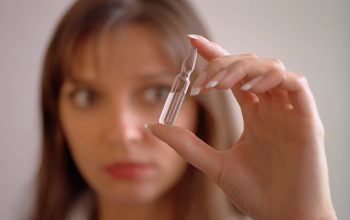
The South Korea dry eye market is witnessing significant competition following the approval of a third homegrown drug. This development promises to enhance treatment options for patients suffering from dry eye syndrome.
Overview of the Dry Eye Market
The South Korea dry eye market is experiencing significant growth, driven by an increasing prevalence of dry eye disease among the population. Factors contributing to this rise include prolonged screen time, environmental changes, and an aging demographic. As awareness of the condition expands, more individuals are seeking effective treatments.
Several innovative therapies have emerged in recent years, including:
- Prescription medications: New drugs have been approved, offering targeted relief for severe symptoms.
- Over-the-counter solutions: Artificial tears and lubricating eye drops are widely available and popular among consumers.
- Advanced medical devices: Technologies such as punctal plugs and intense pulsed light therapy are increasingly utilized to manage symptoms.
Competition within the South Korea dry eye market is intensifying, particularly with the recent approval of a third homegrown drug, which is expected to enhance treatment options further. The ongoing research and development efforts reflect the commitment to addressing this growing health concern effectively.
Recent Drug Approvals in South Korea
Recent developments in the South Korea dry eye market have highlighted the increasing competition among pharmaceutical companies. In the past few months, several new drugs have received approval from regulatory authorities, offering fresh hope to patients suffering from dry eye conditions.
Among the noteworthy approvals is a novel treatment developed by a local biopharmaceutical firm, which has shown promising results in clinical trials. This new medication aims to provide longer-lasting relief for patients and addresses the underlying causes of dry eye syndrome.
The approval of this drug follows the introduction of two other homegrown treatments that have already made their mark in the South Korean market. Patients now have access to a wider range of options, which may improve their quality of life significantly.
As this segment of the healthcare market continues to grow, stakeholders are optimistic about the potential for innovation. The recent drug approvals are expected to enhance competition and drive further advancements in the South Korea dry eye market.
Impact of Competition on Patients
The competition in the South Korea dry eye market has intensified significantly following the recent approval of a third homegrown drug. This surge in available treatments has both positive and negative implications for patients suffering from dry eye syndrome.
On one hand, increased competition leads to a wider array of options, allowing patients to benefit from innovative treatments that might be more effective or have fewer side effects. Moreover, the entry of new players into the market can drive prices down, making these treatments more accessible to those in need.
However, the sheer volume of choices can also create confusion among patients and healthcare providers. With various products claiming to alleviate symptoms, patients may find it challenging to select the best treatment for their individual needs. To navigate this landscape, healthcare professionals must stay informed about the latest developments in the South Korea dry eye market.
Ultimately, while competition fosters innovation, it is essential that patients receive clear guidance to make informed decisions regarding their treatment options.
Comparative Effectiveness of New Drugs
The South Korea dry eye market has seen a significant shift with the introduction of new treatments that promise greater effectiveness. Recent studies have compared the efficacy of these innovative drugs against traditional therapies, shedding light on their potential benefits for patients.
Among the new entrants, the most notable include:
- Drug A – Demonstrated superior symptom relief in clinical trials, with a rapid onset of action.
- Drug B – Offers a unique formulation that enhances tear stability, leading to prolonged comfort for users.
- Drug C – Focuses on targeting inflammation, providing a dual approach to managing dry eye symptoms.
Patient feedback has been overwhelmingly positive, indicating a preference for these new treatments over traditional options. Additionally, healthcare providers are now more inclined to prescribe these innovative therapies, recognizing their comparative effectiveness. As competition intensifies in the South Korea dry eye market, ongoing research and development will be crucial in maintaining momentum and improving patient outcomes.
Future Trends in Eye Care
The future of the South Korea dry eye market is poised for transformation as advancements in technology and innovative therapies emerge. Patients can expect a greater emphasis on personalized medicine, allowing treatments to be tailored to individual needs and responses. This shift will likely enhance patient outcomes and satisfaction.
Furthermore, the integration of digital health solutions is anticipated to play a significant role in managing dry eye conditions. Telemedicine services are becoming more prevalent, providing patients with easier access to specialists and follow-up care without the need for in-person visits.
Additionally, ongoing research into biologics and regenerative treatments holds promise for more effective long-term solutions. As companies invest in these areas, new product launches are expected, which will further invigorate the South Korea dry eye market.
Lastly, increased public awareness about dry eye syndrome will drive demand for effective treatments, prompting a competitive landscape where innovation thrives. Patients can look forward to a variety of options that can significantly improve their quality of life.
Expert Opinions on Treatment Options
Experts in ophthalmology emphasize the importance of personalized treatment options for patients suffering from dry eye syndrome in South Korea. Dr. Lee Min-ho, a leading eye specialist, states that “the South Korea dry eye market is evolving rapidly, with a variety of innovative therapies becoming available.”
He highlights the effectiveness of combination therapies, which often provide better relief than monotherapy alone. According to Dr. Kim Eun-jung, “patients are responding well to treatments that integrate both anti-inflammatory medications and lubricants, addressing the multifaceted nature of dry eye disease.”
Furthermore, recent advancements in drug formulations, such as preservative-free options, have been particularly beneficial for patients with sensitive eyes. Patients report significant improvements in their quality of life, thanks to these new treatments.
In summary, healthcare professionals advocate for a tailored approach to managing dry eye syndrome, ensuring that patients receive the most appropriate and effective therapies available in the South Korea dry eye market. Such strategies not only enhance patient satisfaction but also optimize treatment outcomes.
Photo by HOWARD HERDI on Pexels