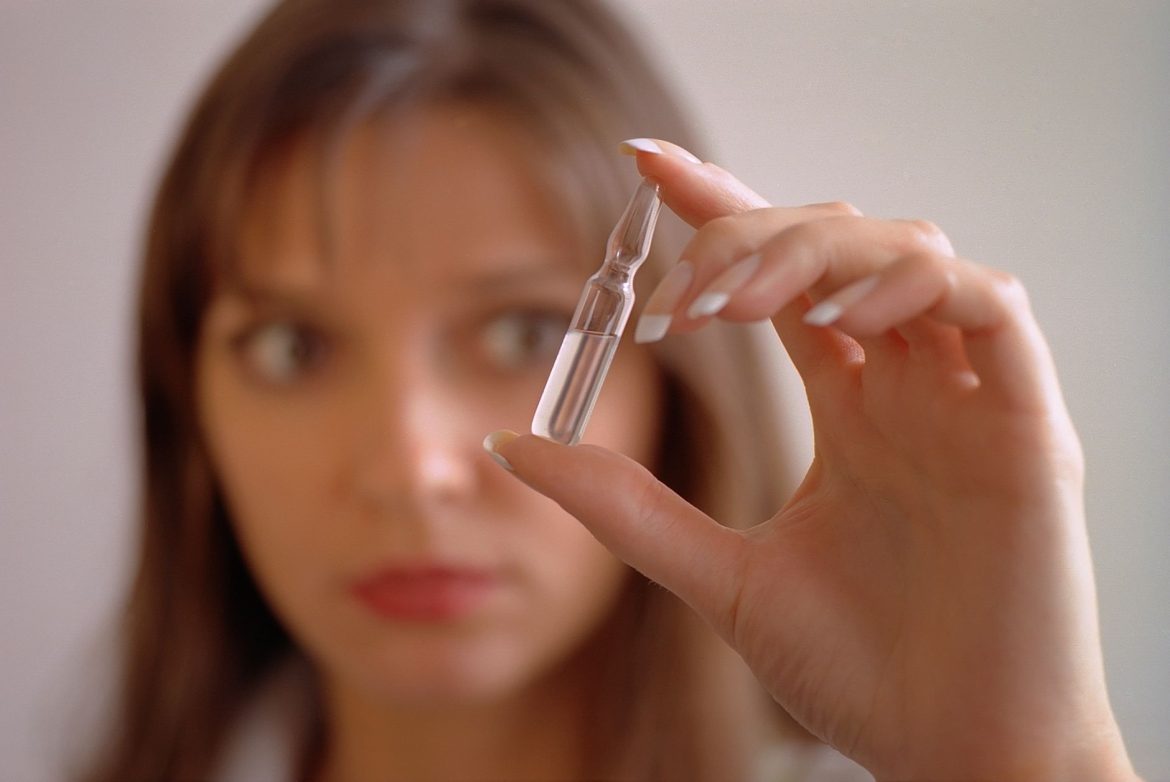
Korea dry eye drug approval has not lifted GL PharmTech shares as expected, highlighting challenges in the pharmaceutical industry.
Overview of Korea’s Dry Eye Drug Approval
Recently, the approval of a new dry eye drug in Korea has garnered significant attention within the pharmaceutical industry. Despite the initial optimism surrounding the Korea dry eye drug approval, the market reaction has been less than favorable for GL PharmTech. Investors anticipated that the introduction of this innovative treatment would bolster the company’s stock value; however, the opposite has occurred.
In the wake of the approval, GL PharmTech shares experienced a notable decline, leading analysts to reassess the potential impact of the new drug on the company’s financial performance. Several factors contributed to this downturn:
- Market Competition: The presence of established competitors in the dry eye treatment sector may have dampened expectations for GL PharmTech’s product.
- Sales Projections: Initial sales forecasts have been revised downward, raising concerns about the drug’s market penetration.
- Regulatory Scrutiny: Ongoing scrutiny from regulatory bodies may affect the drug’s distribution and marketing strategies.
As the market adapts to the recent developments, stakeholders are closely monitoring GL PharmTech’s next steps in response to the Korea dry eye drug approval and its subsequent impact on the company’s future.
Impact on GL PharmTech Shares
The recent approval of a new dry eye drug in Korea has had an unexpected impact on GL PharmTech shares, which have seen a significant decline. Investors had anticipated that the approval would lead to a boost in the company’s stock value, given the potential market for dry eye treatments. However, the reality has been quite the opposite.
Despite the enthusiasm surrounding the Korea dry eye drug approval, GL PharmTech reported disappointing earnings and a lack of anticipated sales growth. Analysts suggest that the company’s failure to capitalize on the market opportunity has left investors concerned about its long-term viability.
Key factors contributing to the decline in GL PharmTech shares include:
- Market competition: The entry of established players in the dry eye treatment market has intensified competition.
- Production challenges: Delays in scaling up production have hindered the company’s ability to meet potential demand.
- Investor sentiment: Negative reactions from investors following the earnings report have led to a sell-off of shares.
The combination of these elements has resulted in a downward spiral for GL PharmTech, overshadowing the positive news of Korea’s dry eye drug approval.
Market Reactions to Drug Approval
The recent approval of a new dry eye drug in Korea has sent ripples through the pharmaceutical market, but the anticipated positive impact on GL PharmTech shares has not materialized. Investors had hoped that the Korea dry eye drug approval would bolster the company’s stock performance, considering the growing demand for effective treatments in this sector.
However, the reaction has been less than favorable, leading to a decline in share prices. Analysts have noted several factors contributing to this market response:
- Market Saturation: The dry eye treatment market is becoming increasingly crowded, with multiple players vying for consumer attention.
- Consumer Hesitance: Potential users may be reluctant to switch from established medications to a newly approved option, affecting initial sales projections.
- Profitability Concerns: Investors are wary of the long-term profitability of the new drug, questioning whether it can outperform existing therapies.
The implications for GL PharmTech could be significant, as analysts predict a prolonged period of volatility for the company’s shares. As the market continues to react, the focus will remain on the drug’s performance and its acceptance among consumers.
Future of Dry Eye Treatments in Korea
The future of dry eye treatments in Korea appears to be shaped by the recent approval of a new drug, which, despite initial expectations, has failed to positively impact GL PharmTech shares. This situation raises questions about the long-term viability and market acceptance of dry eye therapies in the region.
As more companies enter the dry eye treatment market, competition will likely intensify. Experts believe that innovation and effective marketing strategies will be essential for any new products to succeed. The approval of this drug marks a pivotal moment, but its lackluster reception may deter investors and other pharmaceutical firms from pursuing similar treatments.
Furthermore, patient education and awareness will play a critical role in the adoption of dry eye drugs. Many potential users may remain unaware of the benefits these treatments can provide, emphasizing the need for comprehensive outreach efforts.
In conclusion, while the approval of Korea’s dry eye drug signifies progress, the challenges ahead could impact its acceptance and overall market growth. Stakeholders must navigate these complexities to ensure that advancements in dry eye treatments are realized effectively.
Investor Sentiment Post-Approval
Investor sentiment following the approval of the new dry eye drug in Korea has been notably cautious, particularly concerning GL PharmTech shares. Despite initial optimism surrounding the approval, which was expected to enhance the company’s market position, the stock has experienced a significant decline.
Many investors had anticipated a surge in share value following the announcement. However, the reality has been starkly different. Key factors contributing to this negative sentiment include:
- Market Expectations: Investors had high hopes for the drug’s commercial potential, leading to disappointment when the anticipated uplift did not materialize.
- Competitor Landscape: The approval of the new dry eye drug has intensified competition among existing treatments, raising concerns over market share erosion for GL PharmTech.
- Financial Performance: Recent financial reports suggest that the company’s revenue growth may not be as robust as once projected, dampening investor enthusiasm.
As analysts continue to reassess their forecasts, the long-term implications of the Korea dry eye drug approval on GL PharmTech’s market strategy remain uncertain, further weighing on investor confidence.
Comparative Analysis of Similar Drugs
The recent approval of a dry eye drug in Korea has sparked a comparative analysis of similar products in the market. Key competitors are already established, making it challenging for new entrants to gain a foothold. The following points highlight the landscape:
- Existing Treatments: Several well-known treatments have dominated the market, providing effective relief for patients suffering from dry eye syndrome.
- Market Penetration: Established brands have garnered significant market share, benefiting from brand loyalty and extensive advertising.
- Innovations: Competitors continue to innovate, offering new formulations and delivery methods that enhance patient compliance and satisfaction.
- Pricing Strategies: Competitive pricing remains a crucial factor, as many patients and healthcare providers weigh costs against the effectiveness of treatments.
- Regulatory Challenges: New drugs often face rigorous regulatory scrutiny, which can delay their entry into the market and impact their acceptance among healthcare professionals.
The approval of Korea’s dry eye drug is significant, yet the comparative analysis suggests that GL PharmTech may struggle to achieve a competitive edge. Without unique benefits or substantial marketing efforts, the new drug’s impact on shares remains uncertain.
Challenges in the Pharma Industry
The pharmaceutical industry in Korea faces a multitude of challenges that have recently come to light, particularly in the context of the Korea dry eye drug approval. Despite advancements in drug development, market fluctuations and investor sentiments continue to pose significant hurdles for companies like GL PharmTech.
One of the primary issues is the rigorous regulatory environment that demands extensive clinical trials and substantial evidence of efficacy and safety. This process can be both time-consuming and costly, which may deter innovation and delay the introduction of new treatments into the market. Additionally, competition from global pharmaceutical companies adds pressure to local firms striving to maintain their market share.
Moreover, the recent approval of the dry eye drug has not generated the anticipated excitement among investors. Instead, there is a growing concern regarding the long-term profitability of such drugs in a saturated market. Key challenges include:
- Increasing costs of R&D and production
- Market saturation with existing treatments
- Shifting consumer preferences and expectations
- Regulatory compliance and approval timelines
These factors collectively contribute to a cautious outlook for firms involved in the dry eye treatment sector.
Expert Opinions on Drug Efficacy
Experts have weighed in on the recent approval of a new dry eye drug in Korea, highlighting both its potential benefits and limitations. While many agree that the approval represents a step forward in addressing the growing prevalence of dry eye syndrome, skepticism remains regarding the overall efficacy of the drug.
Dr. Lee Sung-min, an ophthalmologist, noted that “the approval of Korea’s dry eye drug is promising, but clinical results must be closely monitored.” He emphasized the importance of rigorous post-market surveillance to ensure that patients receive effective treatment.
Additionally, Dr. Kim Hyo-jin, a pharmaceutical analyst, commented on the expectations surrounding the drug, stating that “investor enthusiasm may not align with real-world outcomes.” She pointed out that similar medications have struggled to achieve sustained market success, which could mirror the fate of the newly approved product.
Moreover, consumer feedback will play a crucial role in determining the drug’s acceptance in the market. “Patient experiences will be vital in shaping the future of dry eye treatments in Korea,” Dr. Kim concluded, underscoring the need for ongoing research and development in the field.
The recent Korea dry eye drug approval has raised concerns among investors, leading to a significant drop in GL PharmTech shares. Analysts believe that the implications of the Korea dry eye drug approval could hinder the company’s market position in the long run.
Photo by Yuri Shkoda on Pexels